
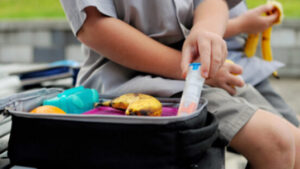
School Readiness: The Importance of the Lunchbox
Starting Kindergarten is a big milestone for children and their families. There is often lots of focus on learning letters, numbers, recognising names and developing social skills, but one important part of school readiness can sometimes be overlooked: the humble lunchbox!
At Tillys Play & Development Centres, feedback from local primary schools has highlighted that some children experience difficulties managing their lunchboxes when they first start Kindergarten. From opening packets and unzipping lunch bags to knowing which foods to eat and refilling water bottles, these everyday tasks can present unexpected challenges for children who are still developing their independence.
While these skills might seem simple to adults, they can make a significant difference to a child’s confidence, independence and ability to manage their school day.
Why Is Lunchbox Independence Important?
When children begin Kindergarten, they are learning to navigate a new environment, follow different routines, build friendships and adjust to longer days of learning. Mealtimes are another part of this transition.
Unlike some early childhood education and care settings, where meals and snacks are prepared and served to children, many schools expect children to manage their own lunchboxes with varying levels of adult assistance.
Children may need to independently:
- Open and close their lunchbox.
- Unzip compartments and fasten zips.
- Open food containers, packets and wrappers.
- Recognise which foods they have packed and decide what to eat at each break.
- Manage their drink bottle and open the lid or spout.
- Return containers and rubbish to the appropriate places.
- Keep track of their belongings throughout the day.
Without opportunities to practise these skills, children may find mealtimes frustrating or struggle to access the food their families have packed for them.
School readiness isn’t just about what children know. It’s also about what they feel confident doing for themselves.
Learning to Open Lunchboxes, Packets and Containers
One of the most common challenges children can face is opening the items inside their lunchbox.
Food packaging varies considerably. Some containers have tight-fitting lids, some packets require a tear or pull, and others have clips, seals or zips that need a particular technique.
These tasks require a combination of fine motor strength, coordination, problem-solving and persistence.
Children benefit from practising with different items, such as:
- Reusable containers with easy-to-open lids.
- Small zip-lock bags.
- Food packets with tear notches.
- Lunchboxes with zips, clips or separate compartments.
- Drink bottles with different lids and opening mechanisms.
- Reusable snack bags and simple food wraps.
Start with items your child can manage with a little support, then gradually introduce more challenging packaging as their confidence grows.
There is no need to make every task difficult. The aim is to help children develop the skills to access their food independently, while knowing it is always okay to ask for help when needed.
Understanding When to Eat Different Foods
Another important skill is helping children become familiar with their lunchbox and understand how to manage the food inside it.
At school, children may have a short break for fruit or a snack, followed by a separate lunch break. They need to begin recognising which foods are packed, where items are stored and how to access them.
Families can practise this by talking through the lunchbox together.
For example:
- “Which snack would you like to eat at fruit break?”
- “Where have we put your sandwich?”
- “Can you find your fruit container?”
- “What could you eat if you’re still hungry at lunchtime?”
These conversations help children become familiar with their food and develop confidence in managing their own mealtimes.
It’s also important to remember that children are still learning to recognise their hunger and fullness cues. Encourage them to eat enough to feel satisfied, without pressuring them to finish everything in their lunchbox.
Keeping Food Cool and Safe
Food safety is another important consideration when preparing lunchboxes for school.
Children may have their lunchboxes with them for several hours before eating, so it’s essential to pack perishable foods safely.
Families can help by:
- Using an insulated lunchbox where appropriate.
- Packing sufficient frozen ice packs alongside perishable foods.
- Keeping foods such as meat, cheese, yoghurt and other temperature-sensitive items appropriately chilled.
- Teaching children how to close their lunchbox properly after taking out food.
- Showing children where their lunchbox belongs during the school day, following the school’s instructions.
During practice at home, explain what the ice pack is for and encourage children to leave it inside their lunchbox.
Remember that an ice pack helps keep food cool, but the lunchbox and ice packs need to be suitable for the length of time food will be stored. Follow current food safety advice when packing perishable foods.
Don’t Forget the Drink Bottle!
Opening a drink bottle, drinking independently and closing the lid properly are also useful skills to practise before Kindergarten.
Children may need to open their bottle during class, at recess or lunch, and refill it at a school water station.
Encourage your child to:
- Open and close their bottle without spilling.
- Drink water independently.
- Recognise their own bottle.
- Refill it with water when needed and when permitted.
- Return it to their lunchbox or bag afterwards.
Choose a bottle that is easy for your child to use, clean and maintain. Practise with the actual bottle they will take to school so they become familiar with its lid and opening mechanism.
How Tillys Supports Lunchbox Readiness
At Tillys, we understand that preparing children for Kindergarten involves much more than academic learning. Developing independence in everyday routines is an important part of supporting a confident transition to school.
That’s why we incorporate planned Lunchbox Weeks for our preschool-aged children.
During these experiences, children have opportunities to practise using lunchboxes and managing the items inside them. This gives them a chance to become familiar with the practical skills they may need when they begin school.
These experiences can support children to:
- Practise opening and closing their lunchboxes.
- Develop fine motor skills by handling containers and packaging.
- Manage their own food and drink bottles.
- Build confidence and independence at mealtimes.
- Become familiar with the routines involved in eating at school.
Our educators provide guidance and encouragement, allowing children to try tasks themselves while offering assistance when needed.
These experiences also create opportunities to talk about healthy food choices, food safety, hygiene and the importance of drinking water throughout the day.
By introducing these skills in a familiar and supportive environment, we help children practise before they need to use them independently at school.
How Families Can Practise at Home Over the Christmas Holidays
The Christmas school holiday period is a wonderful opportunity for families with children starting Kindergarten to practise lunchbox independence without the pressure of a busy school morning.
You don’t need to create a formal learning activity. Simply using a lunchbox at home, on outings or during family picnics can make a real difference.
Try a Lunchbox Practice Day!
1. Let your child pack their own lunchbox
Offer a selection of nutritious foods and encourage your child to help choose and pack their items. They can practise placing containers into compartments and closing their lunchbox.
2. Use different types of packaging
Include a variety of containers, packets and snack bags so your child can practise opening and closing them. Supervise as needed, and avoid packaging that is unsafe or too difficult for their age and abilities.
3. Practise the full routine
Ask your child to unzip their lunchbox, find their food, open their containers, eat their snack and pack everything away afterwards.
4. Take lunchboxes on outings
Pack a lunchbox for a trip to the park, a beach day or a family picnic. This gives children a realistic opportunity to practise managing their food outside the home.
5. Encourage independence without rushing
Give your child time to try before stepping in. If they become frustrated, demonstrate the task or offer a little help, then let them try again.
6. Practise with their actual school items
If you’ve already purchased your child’s lunchbox, containers and drink bottle, use these during the holidays. Familiarity can make the first few weeks of school much easier.
Choosing a School Lunchbox That Works for Your Child
When purchasing lunchboxes and drink bottles, consider your child’s current abilities as well as their needs for the school day.
Look for items that:
- Are easy for small hands to open and close.
- Have compartments that help keep foods organised.
- Are appropriately sized for your child’s appetite.
- Can be cleaned thoroughly.
- Work with suitable ice packs to keep perishable foods cool.
- Are easy for your child to recognise and manage.
Practise with new items before the school year begins. If a container is consistently too difficult to open, consider a more manageable alternative rather than expecting your child to struggle through every mealtime.
Building Confidence, Not Just Independence
While independence is important, children should never feel embarrassed or anxious if they cannot manage something on their own.
Starting school involves a great deal of change, and children will continue developing these skills well into their school years.
Our goal as families and educators is to provide opportunities to practise, encourage children to give things a go and reassure them that asking for help is a positive skill, too.
Small achievements, such as opening a yoghurt container or remembering to close a drink bottle, can help children feel proud of what they can do.
Working Together for a Confident Start to School
Preparing for Kindergarten is a journey that involves families, educators and schools working together. By supporting children to develop practical life skills alongside their social, emotional and academic development, we can help them feel more confident as they begin this exciting new chapter.
At Tillys Play & Development Centres, we are proud to support children through meaningful experiences that prepare them for the next stage of their learning journey. Our planned Lunchbox Weeks are just one example of how everyday routines can become valuable opportunities for learning and independence.
So, if your child is starting Kindergarten next year, why not make the lunchbox part of your Christmas holiday routine? A few relaxed practice sessions now can help make school mealtimes feel more familiar when the big day arrives.
Because sometimes, the little things—like opening a lunchbox, finding a snack and filling up a water bottle—can make a big difference to a child’s confidence, independence and school experience. 🎒🍎💛