
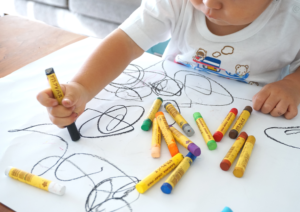
Creative Arts in Early Childhood: The Benefits of Music, Art & Sensory Play
When we think of children painting a picture, singing a favourite song or exploring a sensory tray, it can be easy to see these as simply fun activities. But in early childhood, these experiences are so much more than play—they are powerful learning opportunities that support every area of a child’s development.
At Tillys Play & Development Centres, creative arts are an important part of our educational program. Through music, art and sensory play, children are encouraged to express themselves, explore their creativity and make sense of the world around them.
Why Creative Arts Matter
Creative experiences allow children to learn in ways that are meaningful, enjoyable and engaging. There is no right or wrong way to create, which encourages children to think independently, solve problems and develop confidence in their own ideas.
Research has shown that regular participation in creative arts can support children’s:
- Brain development
- Language and communication
- Fine and gross motor skills
- Emotional wellbeing
- Creativity and imagination
- Critical thinking and problem-solving
- Social skills and collaboration
Creative arts also provide children with opportunities to express themselves in ways that words sometimes cannot.
The Benefits of Music
Music is a natural part of childhood. Whether children are singing, dancing, clapping rhythms or listening to calming background music, they are developing important skills.
Music helps children:
- Develop language and listening skills
- Improve memory and concentration
- Strengthen coordination and balance through movement
- Learn patterns, rhythm and sequencing
- Regulate emotions and reduce stress
- Build confidence through participation
At Tillys, music is incorporated throughout the day—from group singing and movement experiences to transition songs, celebrations and quiet background music that helps create calm and welcoming learning environments.
The Benefits of Art
Art allows children to communicate ideas, feelings and experiences in unique and meaningful ways.
Through painting, drawing, collage, sculpture and other creative experiences, children develop:
- Fine motor strength and coordination
- Hand-eye coordination
- Creativity and imagination
- Decision-making and problem-solving
- Persistence and resilience
- Confidence in expressing themselves
At Tillys, we value the creative process just as much as the finished product. Rather than focusing on making every artwork look the same, we encourage children to explore materials freely, make choices and create something that is uniquely their own.
The Benefits of Sensory Play
Sensory play engages children’s senses through activities involving touch, sight, smell, sound and sometimes taste. It is particularly important during the early years when children learn by exploring their environment.
Sensory experiences may include:
- Water and sand play
- Playdough and clay
- Nature exploration
- Loose parts
- Coloured rice or pasta
- Light and shadow play
- Textured materials and natural resources
Sensory play supports:
- Brain development
- Language development
- Fine motor skills
- Scientific thinking and investigation
- Emotional regulation
- Focus and concentration
It also provides a calming experience for many children and encourages mindfulness through exploration.
How Tillys Supports Creative Learning
At Tillys, our educators intentionally plan creative experiences that reflect children’s interests, developmental stages and individual strengths.
Our learning environments include opportunities for children to:
- Explore a wide variety of art materials
- Engage in daily music and movement experiences
- Investigate sensory materials using all their senses
- Create independently and collaboratively
- Express their thoughts, emotions and ideas through creativity
We encourage open-ended experiences that allow children to lead their own learning and discover what interests them most.
How Families Can Encourage Creativity at Home
Supporting creativity doesn’t require expensive resources or elaborate activities. Some of the most valuable learning experiences happen through simple, everyday moments.
Families can encourage creative development by:
- Drawing, painting or colouring together
- Singing songs and dancing as a family
- Providing recycled materials for creating and building
- Exploring nature using all the senses
- Playing with playdough, water or sand
- Listening to different styles of music
- Encouraging imaginative play with everyday household items
The goal isn’t to create perfect artwork—it’s to provide opportunities for children to explore, experiment and express themselves.
Creativity Builds Confident Learners
Creative arts help children develop far more than artistic skills. They encourage curiosity, confidence, resilience and self-expression while supporting cognitive, physical, emotional and social development.
At Tillys Play & Development Centres, we believe every child is creative. By providing rich opportunities for music, art and sensory play, we nurture children’s natural curiosity, celebrate their individuality and inspire a lifelong love of learning.
Because when children are free to create, they are free to imagine, discover and grow. 🎨🎵🌈